Dentures are custom-made dental appliances that replace missing teeth and restore oral function and aesthetics. Whether you’re dealing with complete tooth loss or need to replace a few missing teeth, dentures offer a convenient solution to improve your smile and quality of life. But have you ever wondered what dentures are made of?
In this blog, we’ll explore the various denture materials used in crafting these essential oral devices, including the types of materials, the benefits of each, and how dentures are made. By understanding the different components of dentures, you can better appreciate their function, comfort, and role in maintaining oral health.
Types of Dentures
Several types of dentures are available, depending on the extent of your tooth loss and oral health. Partial dentures replace only a few missing teeth, while full dentures replace an entire set. Some people may also opt for implant-supported dentures, which are secured in place by dental implants. Each type of denture uses different materials to create a comfortable and functional replacement for natural teeth.
1. Full Dentures
Full dentures, also known as complete dentures, are designed to replace all the teeth in the upper or lower jaw. They consist of a denture base, which fits snugly over your gums, and denture teeth, which mimic the look and function of natural teeth.
2. Partial Dentures
Partial dentures replace missing teeth while leaving the remaining natural teeth intact. These dentures are used when some natural teeth are still present. They can be made of various materials and are designed to fill in the gaps left by missing teeth.
3. Implant-Supported Dentures
For added stability, implant-supported dentures are anchored to dental implants surgically placed into the jawbone. These dentures offer a more permanent solution than traditional ones, providing greater comfort and preventing bone loss.
Common Materials Used in Dentures
The materials used in making dentures are crucial in their durability, appearance, and comfort. Various denture materials, including acrylic resin, porcelain, and flexible plastic, are available. Each offers unique benefits depending on your needs and preferences.
1. Acrylic Resin
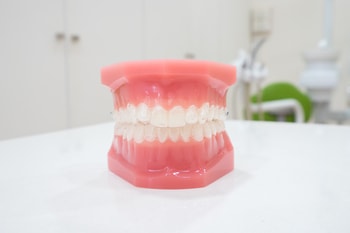 Acrylic resin is one of the most commonly used materials for dentures due to its affordability, ease of use, and natural appearance. Acrylic dentures are lightweight and can be adjusted to fit comfortably against the gums.
Benefits of Acrylic Resin:
- Cost-effective: Acrylic is typically less expensive than other materials, making it an attractive option for many patients.
- Natural appearance: Acrylic resin teeth are designed to resemble natural teeth, with options available in various shades to match the patient’s existing teeth.
- Highly resistant: Acrylic is durable and resistant to wear, offering long-lasting results for most patients.
- Versatility: Acrylic dentures can be made in full and partial plate styles.
However, acrylic dentures may be prone to staining, and the base may not be as strong as other materials, particularly when denture teeth are subjected to heavy pressure. Acrylic resin teeth are softer than porcelain dentures, meaning they may wear down quickly over time.
2. Porcelain
Porcelain dentures are highly valued for their natural appearance and ability to mimic natural teeth closely. Porcelain teeth are often preferred for their esthetic qualities, as they reflect light and provide a more realistic look.
Benefits of Porcelain:
- Natural appearance: Porcelain teeth are designed to resemble real teeth as closely as possible, making them ideal for people who prioritize aesthetics.
- Durability: Porcelain dentures are more durable and wear-resistant than acrylic dentures.
- Stain resistance: Porcelain is more resistant to staining, which helps maintain the look of the dentures over time.
However, porcelain dentures tend to be heavier and more fragile than acrylic dentures, making them more prone to breaking or chipping if dropped or subjected to strong pressure. Additionally, due to their rigidity, they can be more expensive and may require more frequent adjustments.
3. Flexible Plastic
Flexible dentures are made from nylon, a type of plastic that is more flexible than acrylic resin or porcelain. They are designed to be more comfortable, lighter, and better suited to sensitive gums.
Benefits of Flexible Plastic:
- Comfort: The flexibility of nylon dentures makes them more comfortable for some patients, especially those with sensitive gums or those who are new to dentures.
- Durability: Flexible dentures are highly durable and less likely to crack or break than traditional acrylic dentures.
- Natural appearance: These dentures have a translucent base that blends with the natural color of your gums, offering a more natural appearance than traditional acrylic dentures.
On the downside, flexible dentures are typically used for partial dentures and may not be suitable for replacing all teeth. Additionally, teeth made from flexible plastic may not appear as natural as porcelain teeth.
4. Porcelain vs. Acrylic
One key decision in choosing dentures is whether to go for porcelain or acrylic. Porcelain dentures offer a more realistic appearance and durability, while acrylic dentures are lighter, easier to adjust, and more affordable. The choice will depend on factors such as your budget, the extent of your tooth loss, and your personal preferences.
Making Dentures: The Process
Making dentures involves several steps to ensure they fit properly, look natural, and function effectively. Here’s a general overview of the denture-making process:
1. Consultation and Impressions
 Your journey to getting dentures starts with a dental appointment with an eye doctor or dentist. During this visit, your dentist will evaluate your oral health, including the condition of your remaining natural teeth, gums, and jaw. If you’re getting partial dentures, the dentist will also examine your existing teeth to determine how they can support the new appliance.
Next, your dentist will take impressions of your mouth to create a model of your gums and teeth. These impressions will serve as a blueprint for the dentures.
2. Creating the Dentures
Once the impressions are taken, the dental laboratory will use them to create your custom dentures. The denture base is made from materials like acrylic resin or porcelain, and the denture teeth are crafted to match the appearance of your natural teeth.
3. Fitting and Adjustments
When your dentures are ready, you will return to the dentist for the initial fitting. At this appointment, the dentist will ensure the dentures fit properly and make any necessary adjustments for comfort. You may need to return for a few follow-up appointments for final adjustments as you get used to wearing the dentures.
4. Caring for Your Dentures
Following the proper care instructions is important to ensure your dentures last for many years. Clean your dentures regularly with a special brush and denture cleaner to remove food particles and bacteria. Avoid using regular toothpaste, as it can scratch the surface. Also, remember to remove your dentures at night to give your gums a break.
Conclusion
Dentures offer an effective solution for replacing missing teeth and improving oral health. They are made from various materials, including acrylic resin, porcelain, and flexible plastic, each offering distinct benefits depending on your needs. Whether you need partial or full dentures, the material chosen will affect their comfort, appearance, and durability.
If you’re considering dentures, it’s important to consult with a knowledgeable Pennant Hills dentist at Beyond 32 Dental to discuss your options and find the best solution for your needs. With proper care and regular dental checkups, your dentures can provide you with years of comfort and improved oral health.
References
https://my.clevelandclinic.org/health/treatments/10900-dentures
https://medlineplus.gov/dentures.html#:~:text=Dentures%20are%20false%20teeth%20made,one%20or%20a%20few%20teeth.
https://www.webmd.com/oral-health/dental-health-dentures

 Pursuant 7 is a site that talks about the value of charity and giving importance to the needy. We will talk about some cool facts about the most famous charity events in the history, and what impact it brought to our society. Visit our